Translate
 Select
-
 English
-
Kiswahili
-
Afrikaans
-
هَوُسَ
-
Asụsụ Igbo
-
اَف صَومالي˜
-
Yorùbá
-
isiZulu
-
Français
-
Dansk
-
Svenska
-
Norsk
-
Íslenska
-
Suo̯men
-
Català
-
Cymraeg
-
Gaeilge
-
Deutsch
-
Galego
-
Nederlands
-
Euskara
-
Italiano
-
Español
-
Português
-
босански
-
Українська
-
Slovenski
-
Slovenčina
-
Srpski
-
Русский
-
Română
-
Polski
-
Lietuvių
-
Latviešu
-
Magyar
-
Eesti
-
Český
-
Hrvatski
-
Беларускія
-
Български
-
Shqip
-
Ελληνικά
-
Македонски
-
ქართული
-
বাংলা
-
ગુજરાતી
-
ພາສາລາວ
-
தமிழ்
-
Sinugbuanon
-
Монгол хэл
-
ភាសាខ្មែរ
-
Basa Jawa
-
मराठी
-
آذری
-
Հայերեն
-
اردو
-
Türkçe
-
Tiếng Việt
-
ภาษาไทย
-
فارسی
-
Bahasa Malaysia
-
조선말
-
日本語
-
Bahasa Indonesia
-
मानक हिन्दी
-
עברית
-
Filipino
-
漢字
-
汉字
-
العربية
-
Kannaḍa
-
తెలుగు
-
Hmong
-
नेपाली भाषा
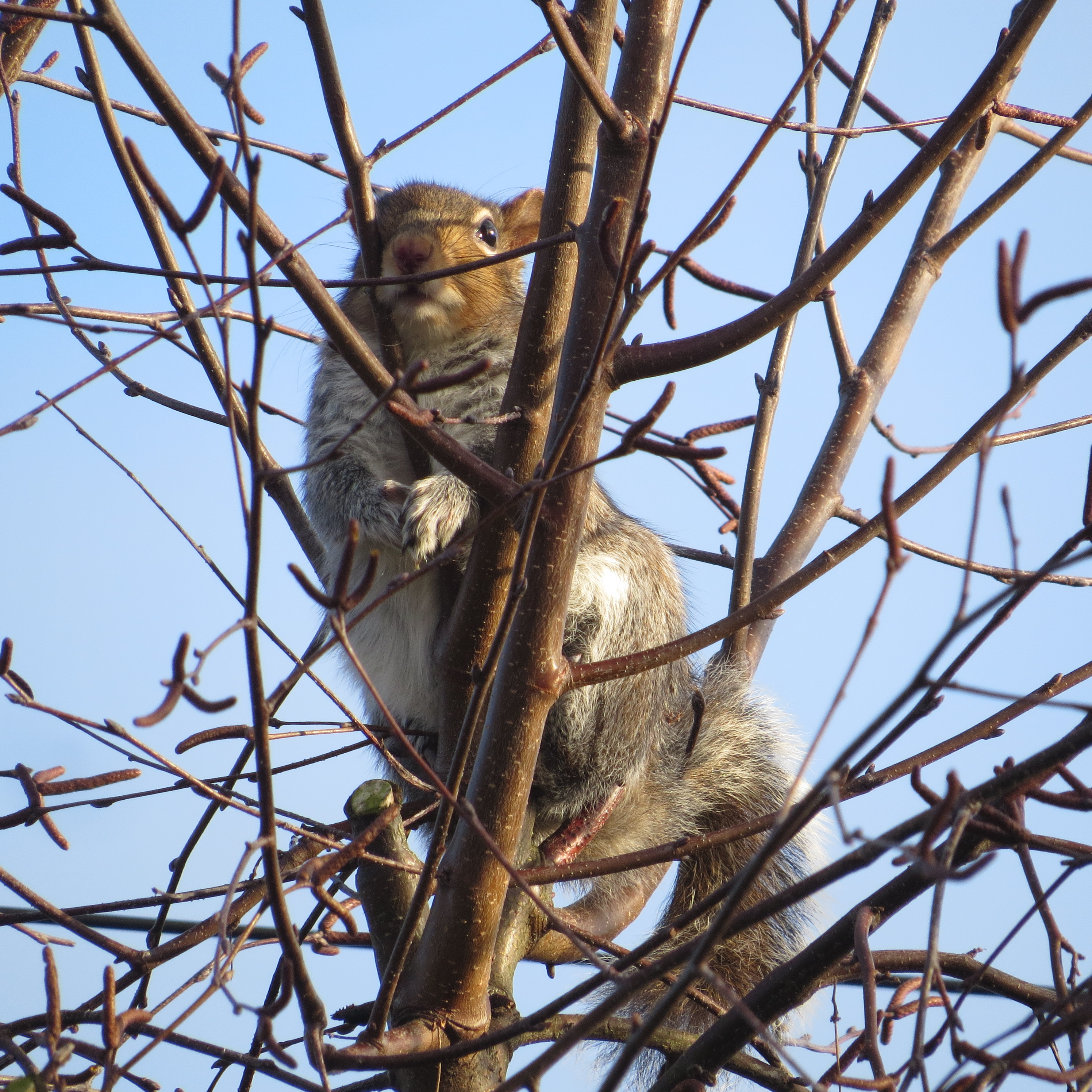
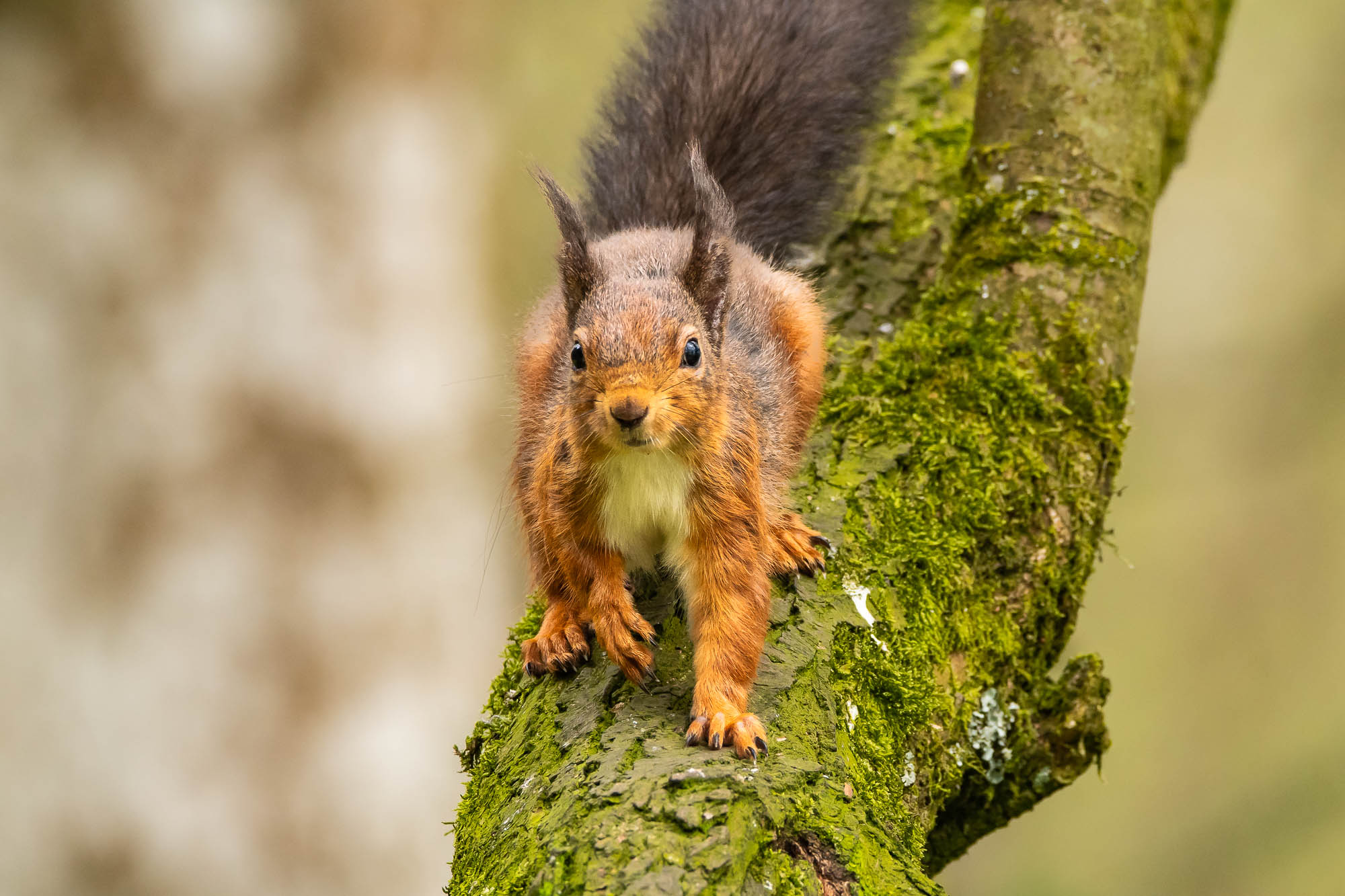
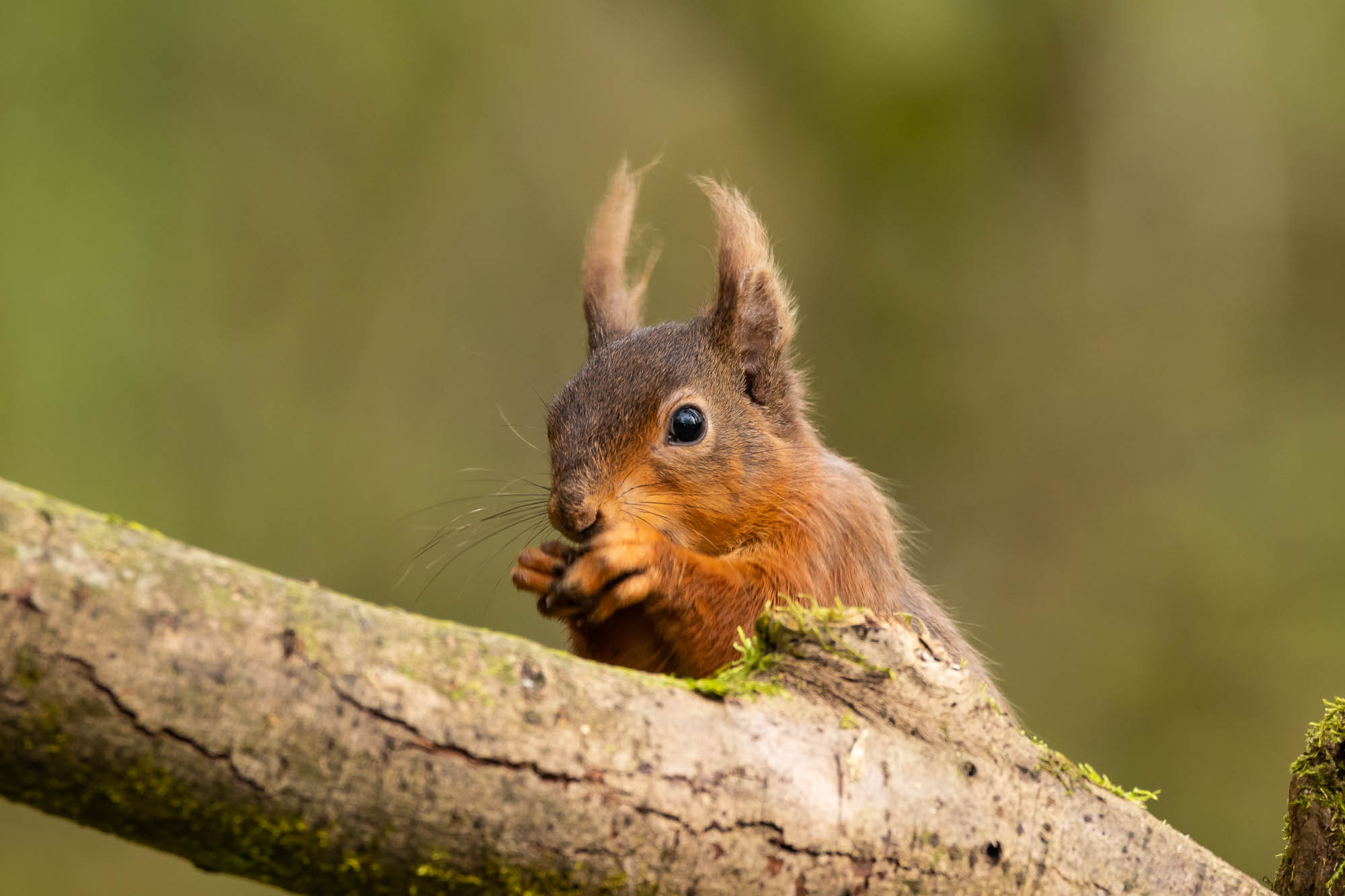
This grey squirrel spent all day in silver birch trees behind my garage. I had managed to release it from behind a boiler when I heard it whimpering and crying. It spent all the time in the tallest, thinnest branches, safely out of reach of a black cat. It made a speedy escape once it was dark.
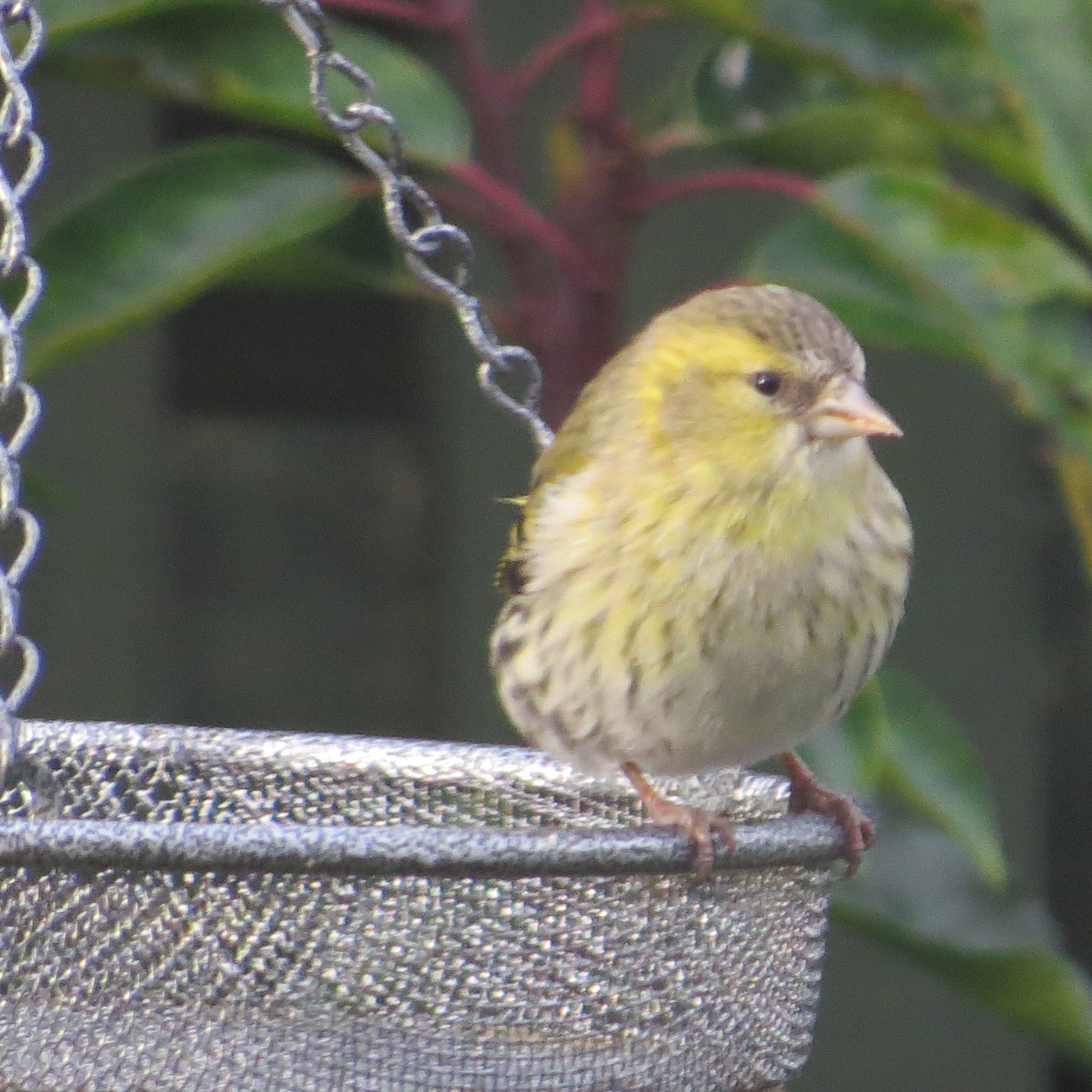
Photo submitted by Alan Aitken. Siskin on a garden feeder. Magherafelt. Fist time I have spotted this species in my garden. It is not he greatest photo as it as taken through a window.
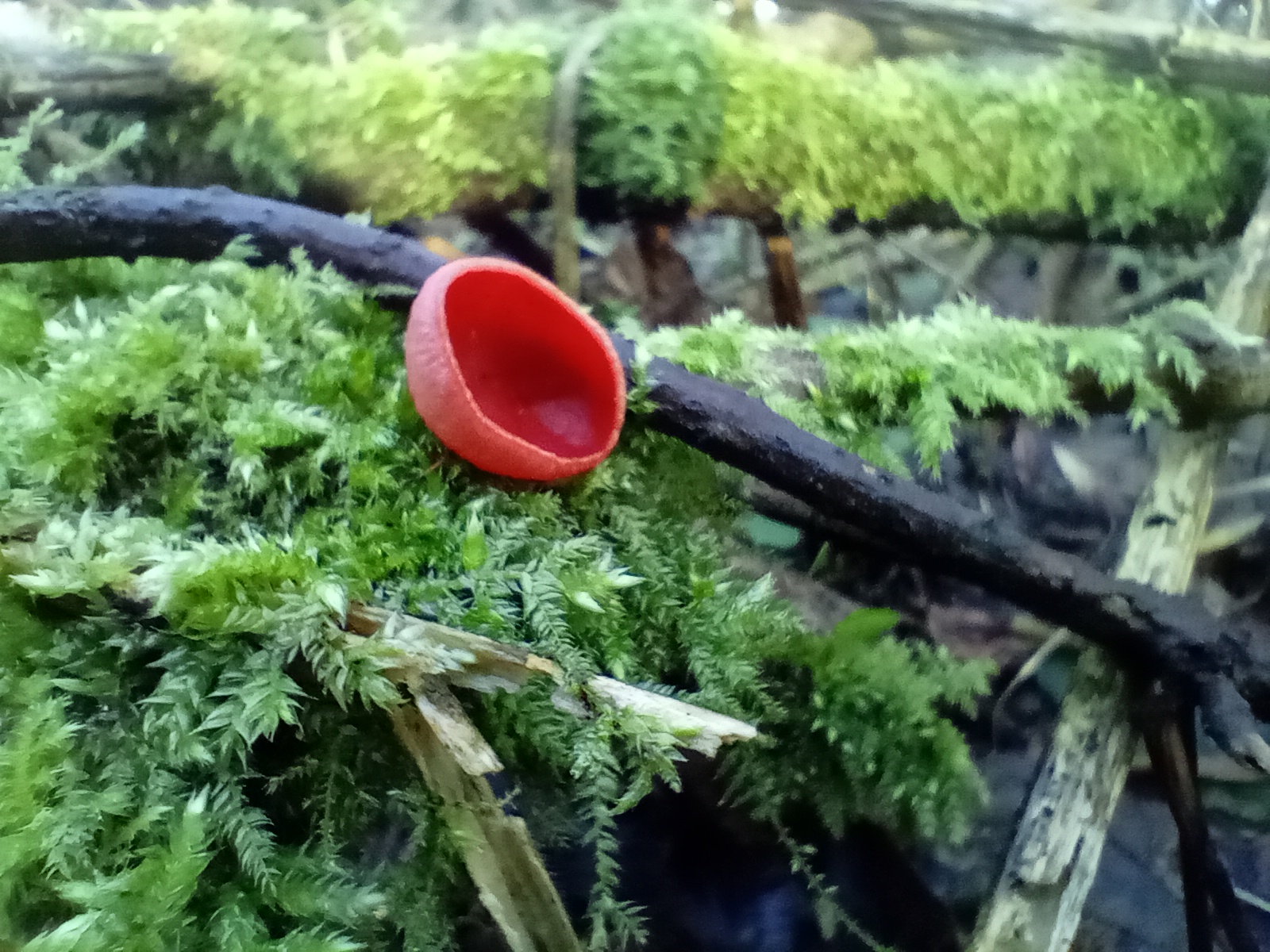
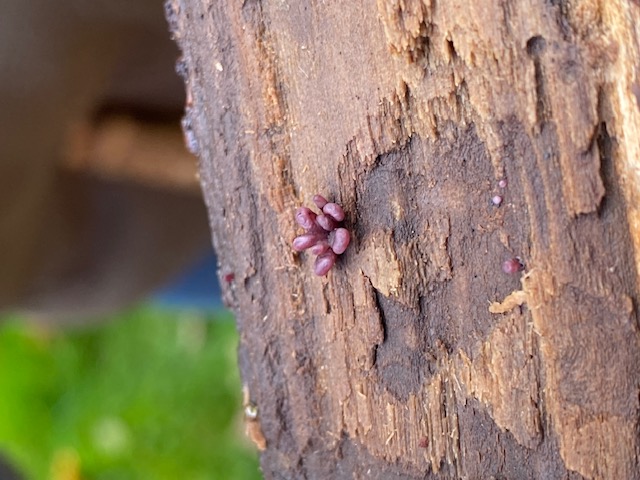
Photograph submitted by Alan Derby. Scarlett Elf Cup. 24/01/24. Specimen was in a wooded area on his land.
Click on the link below to get more information:
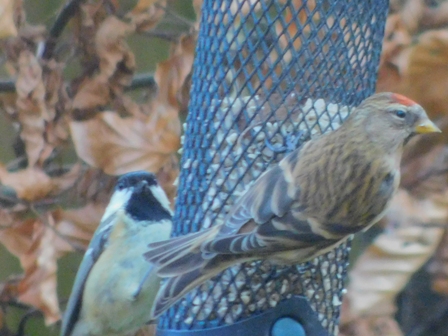
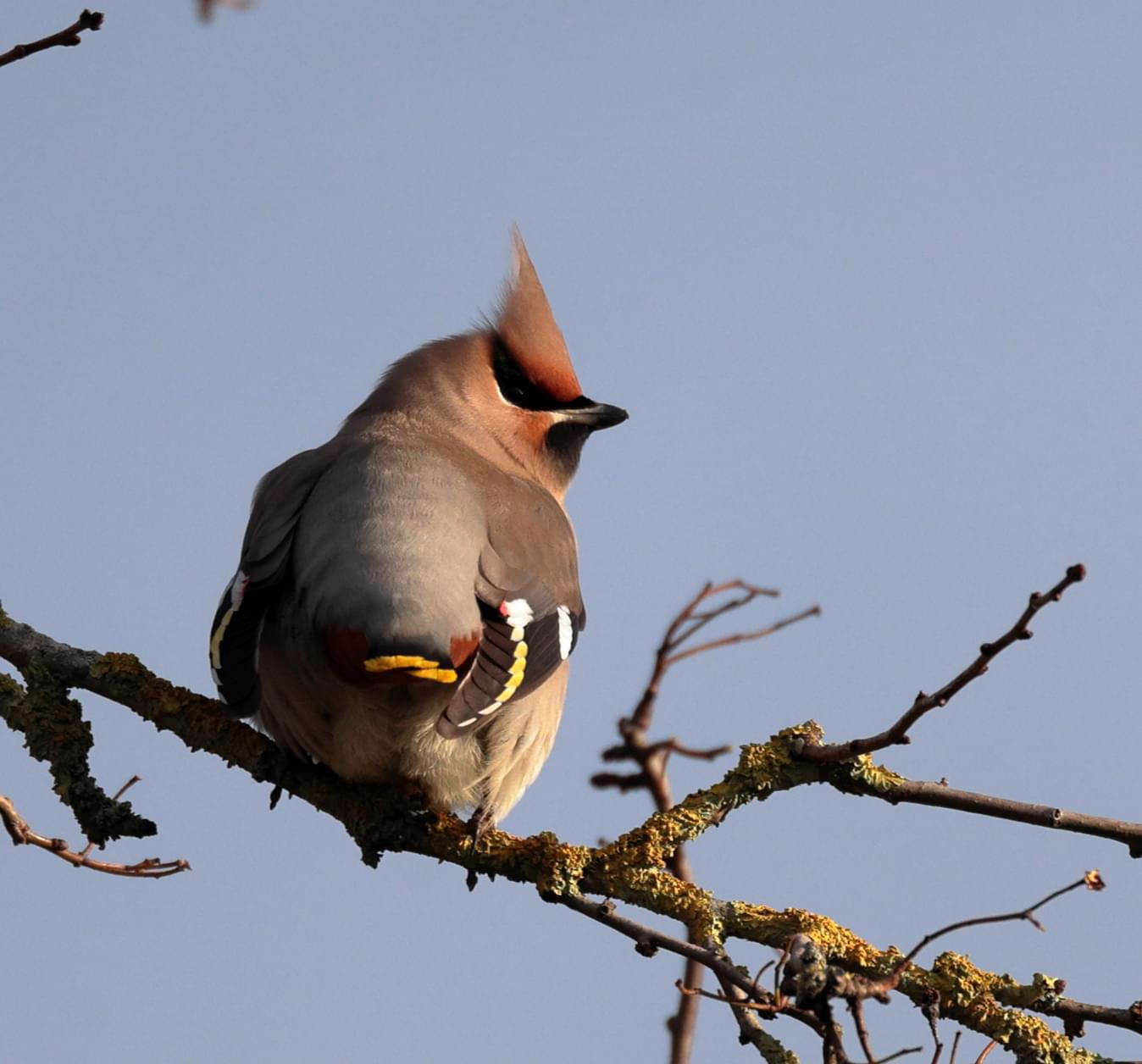
Sunday January 14th around 11am in Ballystudder. Two waxwings in a group of trees covered in red berries. Winter migrants. Stunning birds. The name is derived from the red mark on the wing as it reminded people of the wax seal used to seal letters and documents. This was first for me as I have never seen this bird before. On the same day I also saw a female black redstart at Whitehead Bay: another first. Sadly, I could not get a photograph as it did not stay on the rock for long. Alan Aitken. Photo by William Stinton.
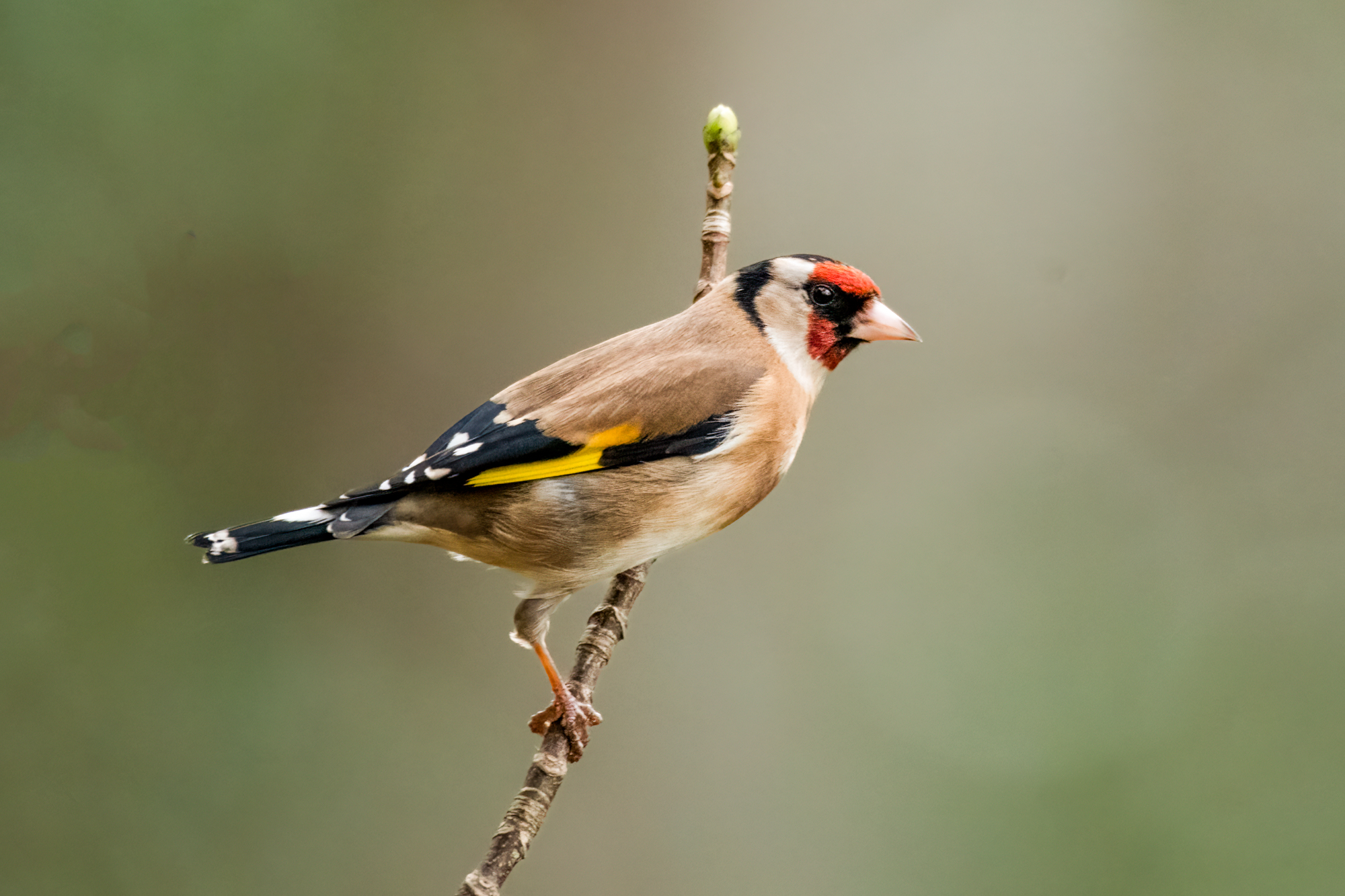
Specialist seed feeder. Beak is perfectly shaped to extract seeds form plants such as thistles and teasels. Insects and invertebrates are fed to young in the spring and summer. Often seen in small flocks. Photo submitted by Thomas Campbell.
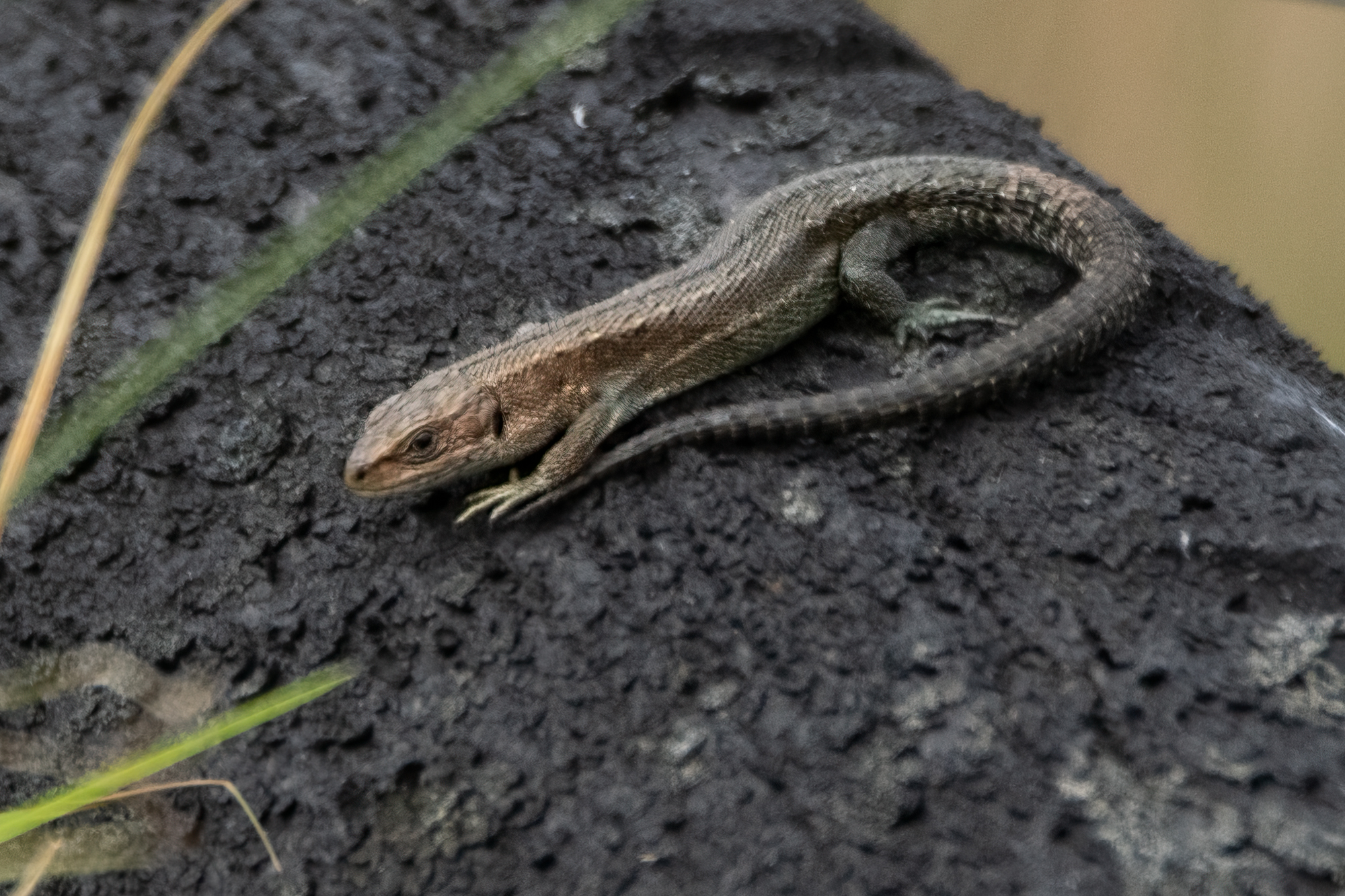
Ireland's only native reptile. Found in a wide variety of habitats. Active during the day. Often seen on rocks and posts warming their bodies in the sun. Hibernate from October to March. 10 - 16cm long. Short legs and long tail. Photo submitted by Thomas Campbell.
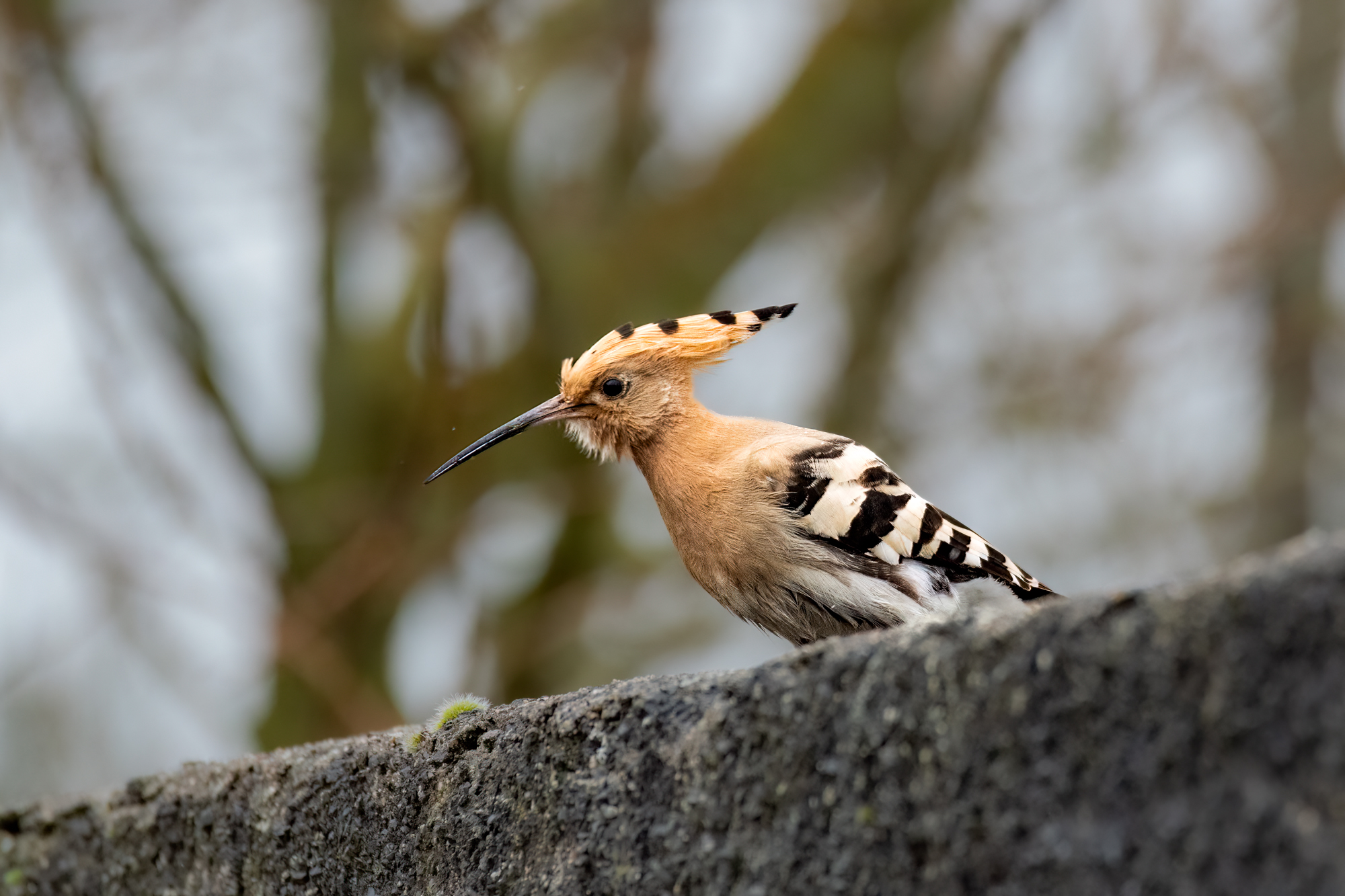
Regular passage migrants, usually during spring and autumn. They are usually seen across the south and east coasts of England. A pair bred in Leicestershire in 2023. The first pair since 1996 in Wales. Photo submitted by Thomas Campbell.
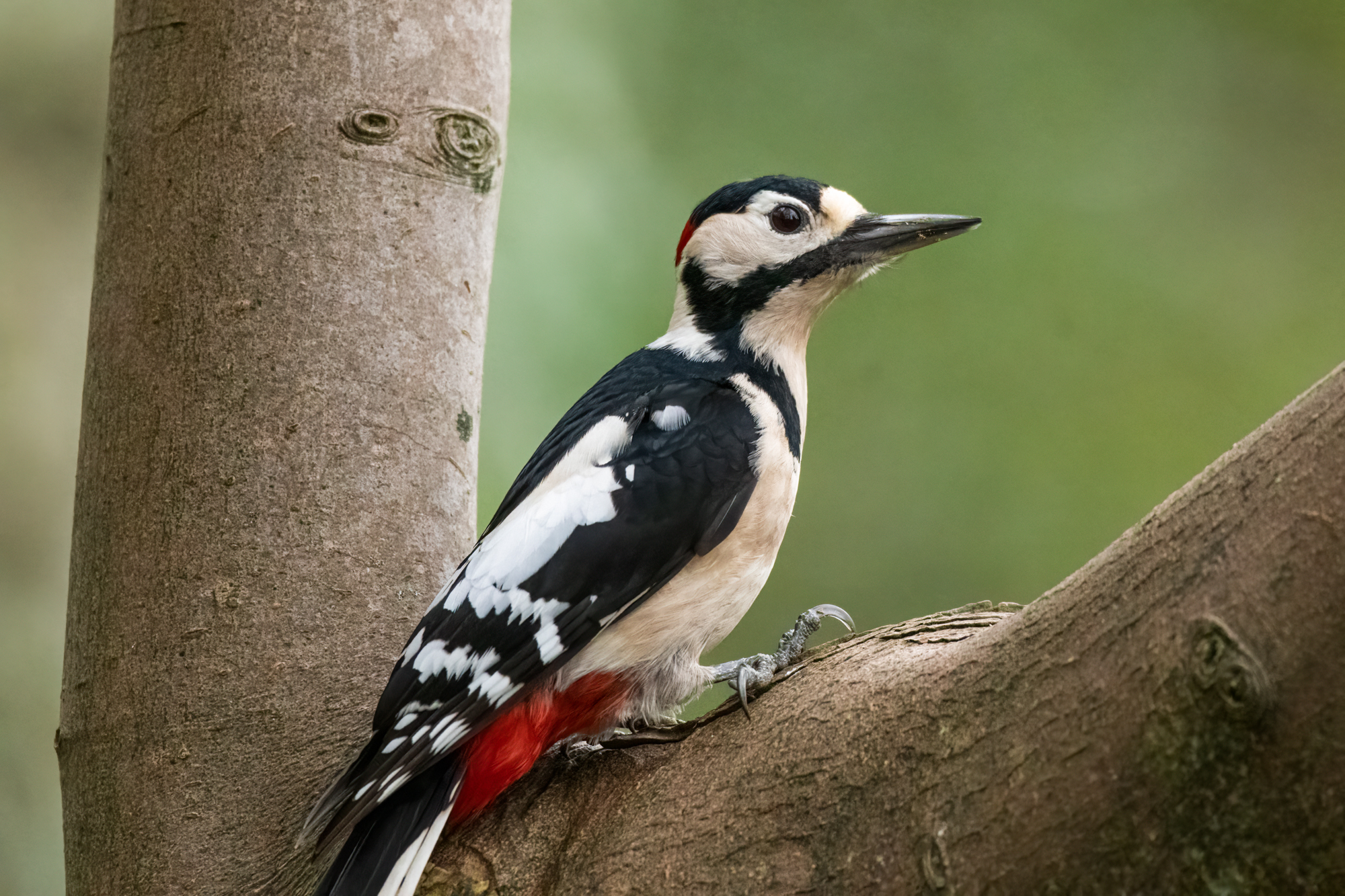
Great Spotted Woodpecker. UK resident. Becoming more common in NI. Photo taken by Thomas Campbell.
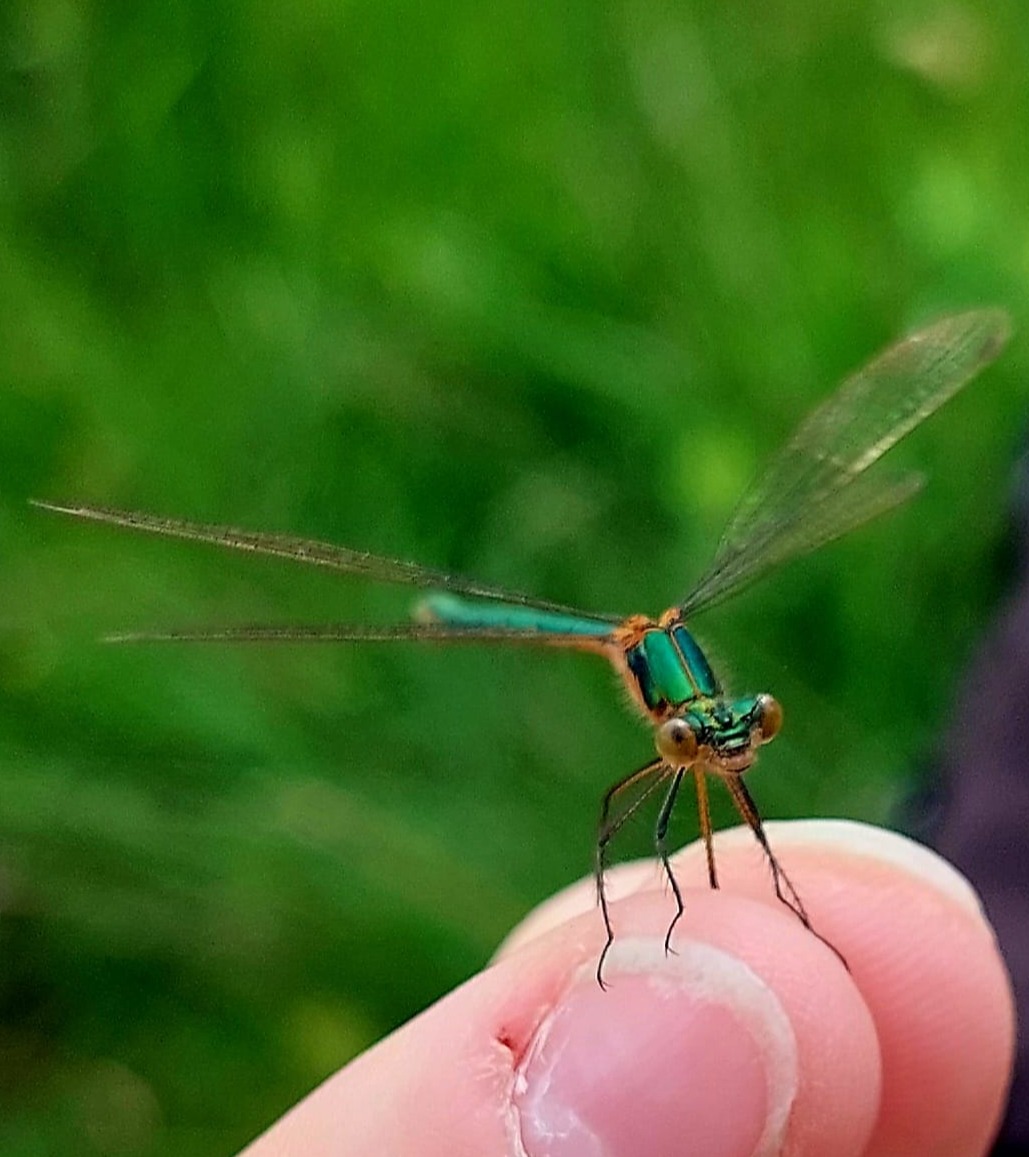
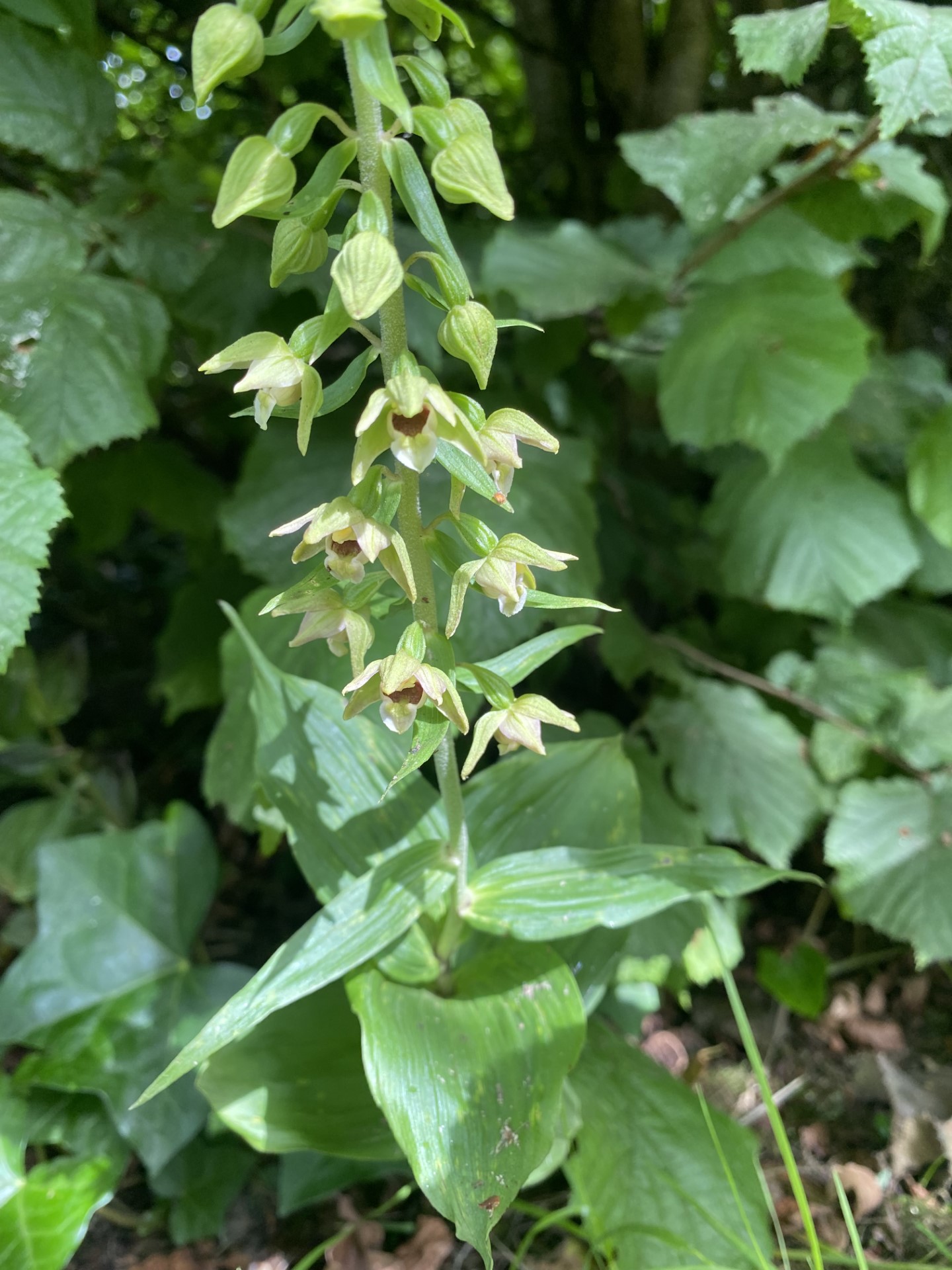
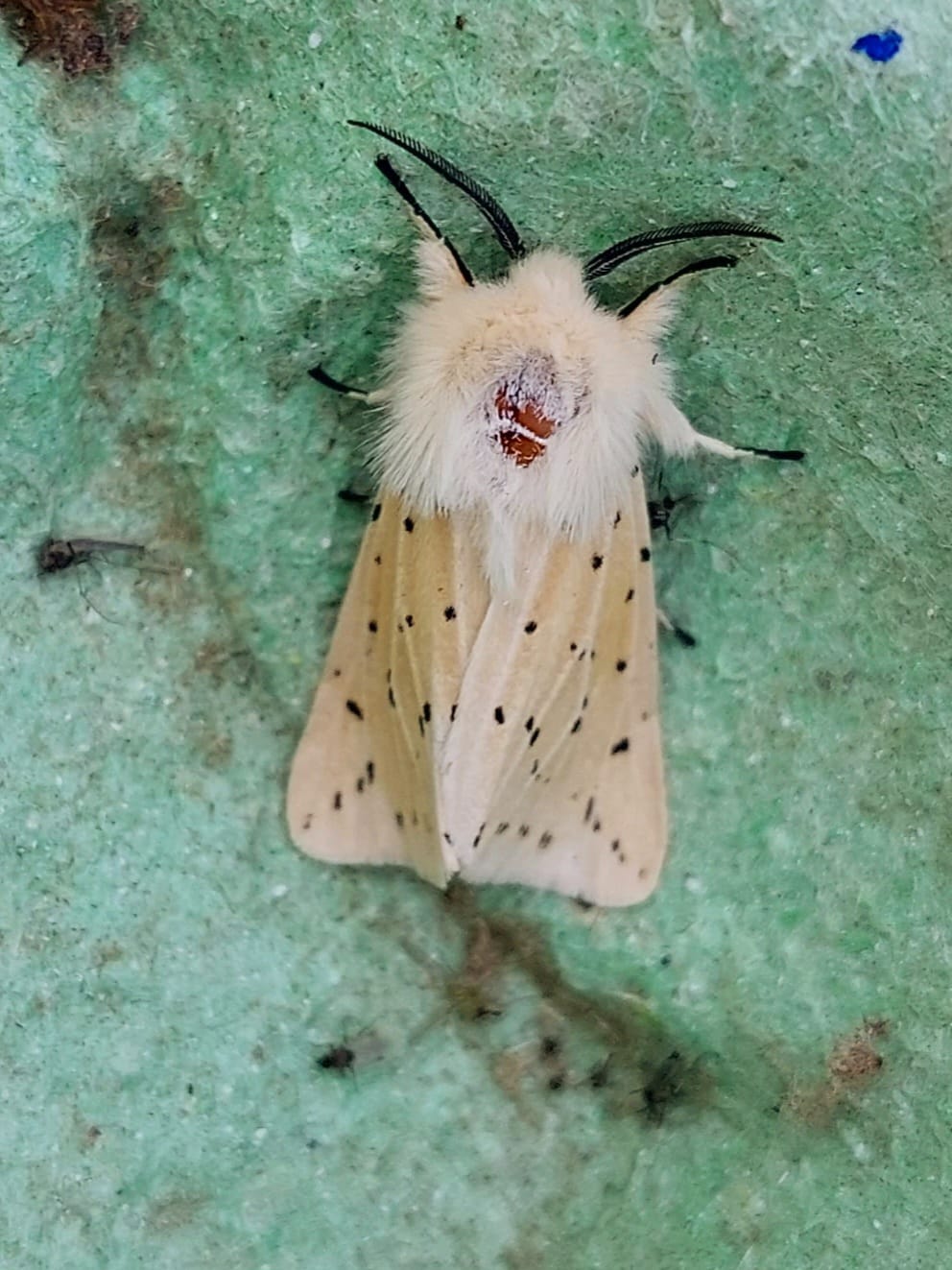
Portmore Lough. Summer 2023. Trapped in a moth trap. Exquisite moth cloaked in ermine. Royal and regal.
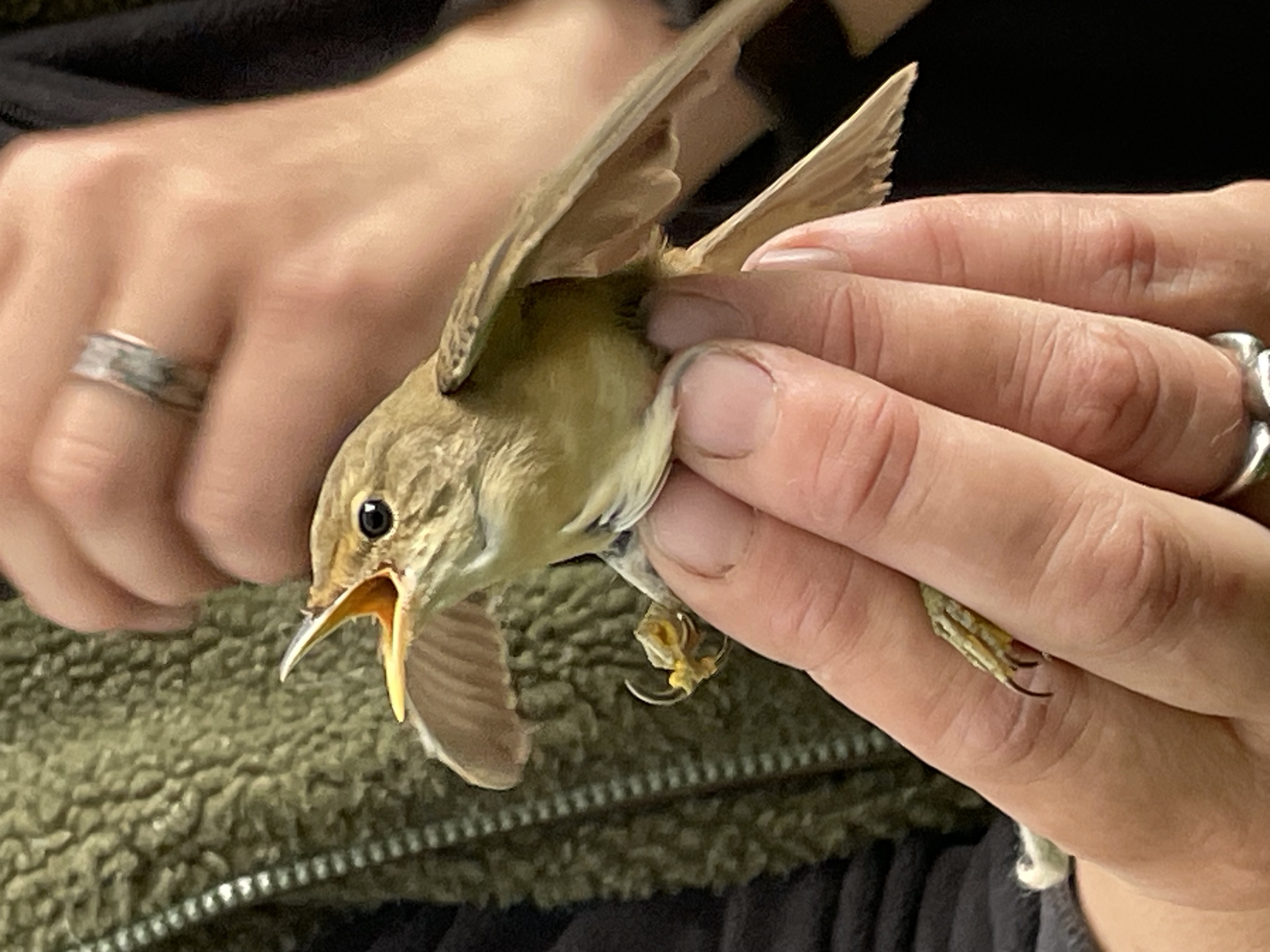
Trapped at Oxford Island in August 2023. Ringed in order to track. Newly hatched as at this time of the year the parents have left. It needs to eat to build up its body for migration. Weighed about 10.5g. Would have migrated to Africa.