
Translate
 Select
-
 English
-
Kiswahili
-
Afrikaans
-
هَوُسَ
-
Asụsụ Igbo
-
اَف صَومالي˜
-
Yorùbá
-
isiZulu
-
Français
-
Dansk
-
Svenska
-
Norsk
-
Íslenska
-
Suo̯men
-
Català
-
Cymraeg
-
Gaeilge
-
Deutsch
-
Galego
-
Nederlands
-
Euskara
-
Italiano
-
Español
-
Português
-
босански
-
Українська
-
Slovenski
-
Slovenčina
-
Srpski
-
Русский
-
Română
-
Polski
-
Lietuvių
-
Latviešu
-
Magyar
-
Eesti
-
Český
-
Hrvatski
-
Беларускія
-
Български
-
Shqip
-
Ελληνικά
-
Македонски
-
ქართული
-
বাংলা
-
ગુજરાતી
-
ພາສາລາວ
-
தமிழ்
-
Sinugbuanon
-
Монгол хэл
-
ភាសាខ្មែរ
-
Basa Jawa
-
मराठी
-
آذری
-
Հայերեն
-
اردو
-
Türkçe
-
Tiếng Việt
-
ภาษาไทย
-
فارسی
-
Bahasa Malaysia
-
조선말
-
日本語
-
Bahasa Indonesia
-
मानक हिन्दी
-
עברית
-
Filipino
-
漢字
-
汉字
-
العربية
-
Kannaḍa
-
తెలుగు
-
Hmong
-
नेपाली भाषा
Ernie Hunter, our chairperson welcomed everyone, including new members to the first meeting of the season. He paid tribute to Kevin Johnston, a member and past chairperson of the club who sadly passed away in July. Our upcoming book launch at Lissan House on 26th September was mentioned before Ernie introduced the speakers for the evening Dr Roy and Dr Kathyrn Nelson both members of Cookstown Wildlife. Roy has a background in agriculture, social science and woodland management. He was a Queen’s University senior lecturer for many years at Loughry College. He currently teaches environmental classes on woods and trees at the Queen’s Open Learning Centre in Belfast. His wife Kathryn has a background in visual art, ecology and education. She gained her PhD from Queen’s University in 2024. Her thesis was concerned with ecological knowledge dissemination through culture and particularly visual art. They have converted several acres of their farm into woodland.
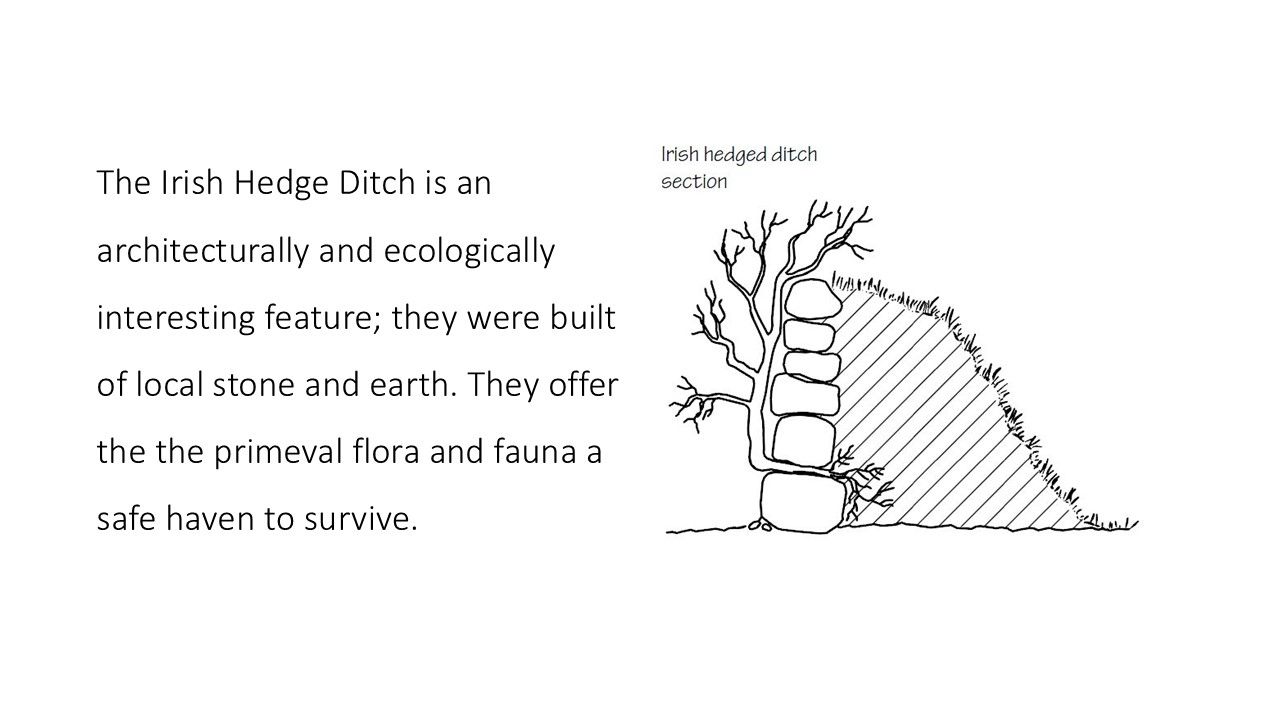
Kathyrn began her address by explaining the importance of habitat corridors in other words hedges which not only act as nature corridors but also as a refuge for woodland species. Some of the oldest hedgerows can be traced back to medieval times and even earlier. She explained the different types of hedges including the Irish ditch hedge. This is the term for the combination of a hedgerow and an accompanying trench It is formed by digging a ditch and piling the soil to create a bank which is then planted with shrubs or trees to form a dense hedgerow . Ancient hedges are home to so many different species such as wood anemones, wood sorrel, bluebell, violet and stitchwort as well as animals like hedgehogs, amphibians and many birds .Unfortunately hedges are being lost to modern agricultural practices.
Read more: Rewilding Cookstown by Roy and Kathryn Nelson Tues 9th Sept 2025
Butterflies Cathyrn Cochrane 8th April 2025
Our chairperson, Ernie Hunter welcomed everyone to our last lecture of the season which was followed by the AGM . Before the speaker was introduced, Ernie said there were still seats available on the bus trip in June. Closing date for entries to be submitted for our book is now to be 16th May, and again he emphasised that articles can be short or up to 1000 words and can cover a wide range of nature subjects from favourite talks to interesting wildlife encounters. Volunteers have been requested by Ballinderry Fisheries to monitor stretches of the Ballinderry River and our member Sharon Loughrin also required volunteers to help rake the mowed wildflower meadow at Lissan .
Alan Aitken then introduced Cathyrn Cochrane who talked on Butterflies Cathyrn has a passion for insects especially dragonflies, butterflies and moths. She is a member of the Northern Ireland branch of Butterfly Conservation which was formed in 1968 and whose President is David Attenborough. Its aims are to promote scientific interest, practical conservation action and encourage people to enjoy butterflies.
There are 180,000 species of butterflies worldwide. Twenty-seven live in Northern Ireland . Cathryn proceeded to tell us about some of these. They are divided into different groups.
The Whites are well known and comprise the popular Orange tip butterfly. This beautiful butterfly flies in April / May and has one generation The male has orange tips to their wings but in both species the underside of the wings are mottled green. The caterpillars are green and feed mainly on the cuckoo flower but also will eat hedge mustard, sweet rocket and honesty. The pupa although challenging to find is boat shaped and is attached to its food plant .
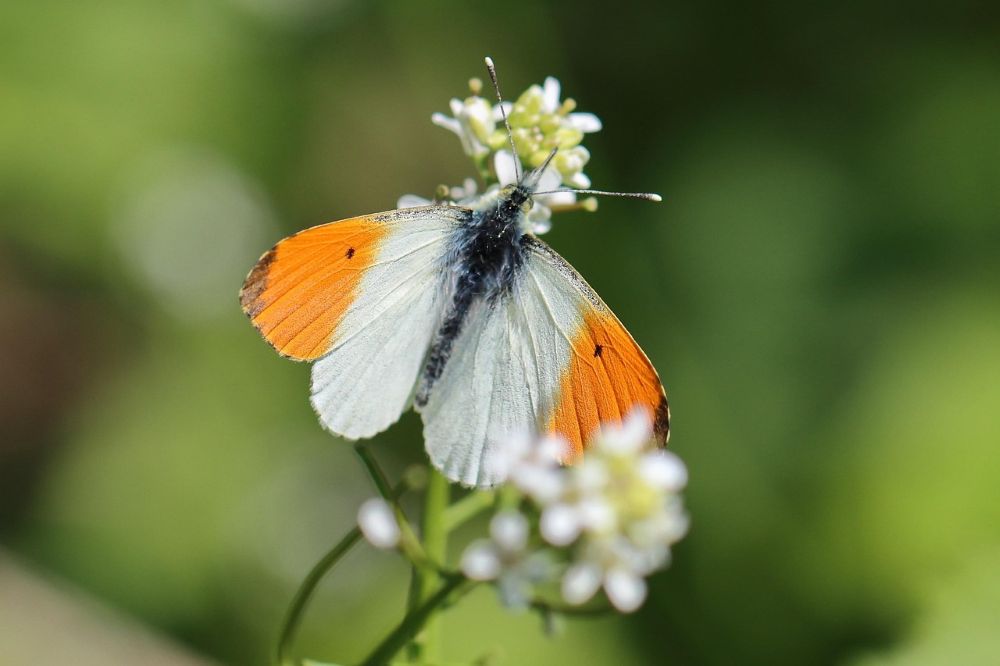
Orange Tip Butterfly
Read more: Butterflies of NI by Cathryn Cochrane Tues 8th April 2025
Ernest Hunter, our chairperson welcomed everyone and extended sympathy to the family of Rhoda Jones who recently passed away. Mentioning our coach trip in June he said there were still seats available on the bus. A £10 deposit is required by all who are going. Some deposits have been collected. Ernie thanked everyone who had submitted articles for our 65th anniversary book and encouraged more members to enter. Sharon Loughrin announced that Lissen House on the 19th of March is having a talk by Lolly Spence on C.S. Lewis. Tickets are £10 each which includes a mini tour of the downstairs of the House and light refreshments. Our original speaker who was going to give a talk on curlews was not available, so Mark Smyth a regular speaker at the club stepped in to talk about bats.
Mark opened his talk by asking a few simple ‘yes’ or ‘no’ questions such as are bats blind; are they dirty all of which received negative answers. Bats are members of the Chiropter family which means ‘hand wing’ . They are not rodents nor are they even related to them In fact it is thought by scientists that their nearest living relatives are cetaceans and ungulates. Mark emphasized that all people who work with bats have to have a licence as well as rabies inoculations.
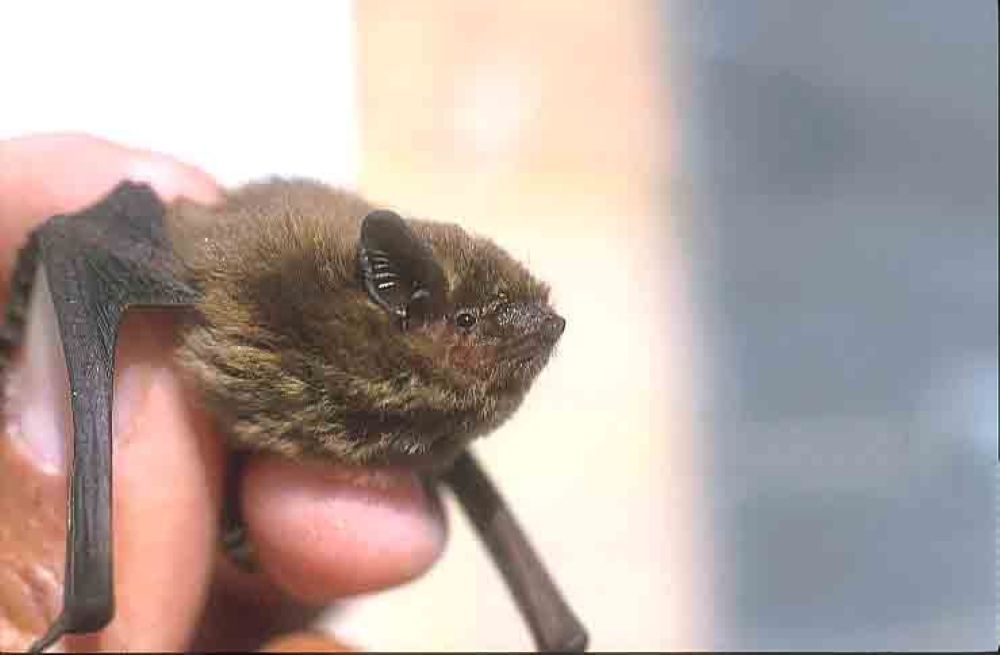
Soprano Pipistrelle--photo by Mark Smyth
Lough Neagh Partnership—our work on the lough 14th JANUARY 2025
Alan Aitken deputising for our chairperson Ernie Hunter asked Claire Hassan to introduce our speaker, Ciara Laverty . After graduating from the University of Cumbria, Ciara obtained a Masters in Ecological Management from QUB .Ciara is now the Ranger at Lough Neagh. She also has just obtained her Bird Ringing licence .
The Lough Neagh Partnership was founded in 2003 to help manage and protect Lough Neagh. With only 9 staff the partnership board is made up of elected representatives, landowners, farmers, fishermen and local communities. Lough Neagh is a Ramsar site which means it is a wetland of international importance designated under the Ramsar Convention. It’s a place of scientific interest, a special protection area and a National Nature Reserve.
Read more: Lough Neagh Partnership: Shoreline and Islands Programme by Ciara Laverty
Our chairperson, Ernie Hunter welcomed everyone including some new faces to our Christmas meeting. He apologised for November’s meeting, cancelled due to the speaker’s illness and to bad weather. The death of our member Shane McGarvey on 19th October was mentioned. Shane was passionate about birds especially the cuckoo and last year guided many of our members around Lough Fea to look for these birds . We were not disappointed. He had also given a talk to us on cuckoos last December and led us on the Dawn Chorus event at Lissan House in May this year. His knowledge on all wildlife was astounding. Ernie Hunter sent condolences to his family.
Our first speaker was Sharon Loughrin, Chairperson of Lissan House Trust. With the help of slides she told us about this ‘Golden Place’, how it had been built in the 1600s and had the unique distinction of having been in the same family until 2006 when Hazel Dolling (nee Staples), the last owner died. It was Hazel’s wish that Lissan would be left to the community watched over by a group of trustees. It is not a National Trust property and is entirely maintained by enthusiastic volunteers.
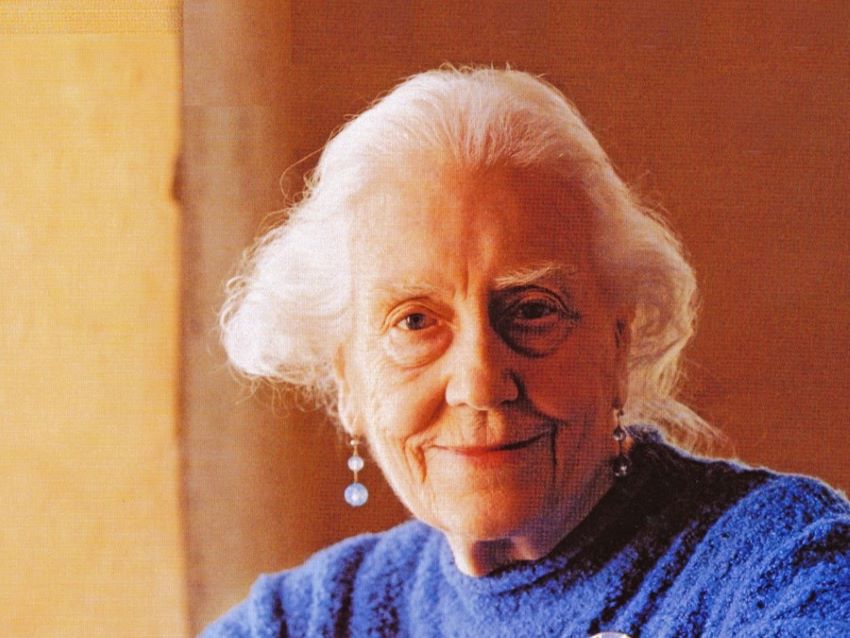
Hazel Dolling (Staples) last owner of Lissan Estate
Sharon said there are now 30 allotments ( pesticide free) on the estate as well as walks for hikers, cyclists and even horse riders. Lately it has joined in partnership with Ballinderry Ripple ,a group which is dedicated to conservation protection and improvement of rivers and loughs of the Ballinderry River catchment area